
Chapter 9.1 Currency, Vaults, and Banking
(This section was updated on 5/17/26 v1.1)
Currency - Base Value (Tinder) and Custom Values (Local Value)
Most MMORPGs has a gold worth. In Spirit Relics there is tinder value. Tinder value can adjust based on the state of the item, for example stats boosting a base value, and rot and decay lessening it. Players can set local values at a reliquary controller which doesn't change the natural tinder value. The reliquary tag must be "local currency." However, when setting up a store and other services that require payment, players can optionally choose to allow local currency or base tinder values. If enough stores locally allow the local values to be used, it can become a legit currency in an outpost. Or stick to defaults.
Bartering Items Instead of Value
The spirit values are a guide to create base values of items, but players are free to trade and gift freely with each other if the values don't match. Players can view the spirit values of items, as well as the local value, if in an outpost that has custom values settings set. Outside of an outpost, or if the outpost has not set an item's local value, local values will not show. Local values have max limits set by the strength of the local culture.
Converting Items into Tinder
At any time players can convert items into tinder. When turning an item into tinder, it is saved into the character's core, like a wallet. However, just like regular tinder in a fire, this burns away over time. Strategically, it is better to keep items as items until needed, since slowly over time, an item's history will often give it more value, whereas using it as tinder, slowly burns it away. Players can also set their stores and services to accept tinder, instead of items.
Storing Tinder - Tinder Vaults
Players can craft furnaces that function like banks, that slowdown the rate of tinder loss. These are tinder vaults. Players can also craft one to carry. The more complex the craft, the slower the burn rate.
Creating Local Values - Reliquary Controller
Reliquaries allow local cultures to start creating supporting constructions, festivals, and events that allow the strengthening of certain items with specific tags. Reliquaries are optional controllers in outposts. They allow any mix of the following:
Items of Importance - sacred items and historic items
Outposts can perform festivals and events that increase it's value, which assists culture buffs
Certain cultures will require specific types of items to be marked as sacred or historic
Outposts can and should limit access to the reliquary to ensure unique relics and historical items don't fall into the wrong hands
Currency - items common enough that can be used in trade and exchanges
Outposts will be required to store a quantity in a vault in scale with its size to maintain it as a stable currency
As a stable currency, the value can increase with culture
The value of a stable currency will never go lower than the item's base worth
Outlawed Items - items that can sway culture and influence
Outlawed items increase vice, and crime strength in crafts, however, declaring outlawed items increases culture
Depending on which combination are used in an outpost, it can unlock banks, vaults, culture skills, and new festivals and rituals in an area
Linking Outposts - Share Custom Values
When linking outposts, founders and members can optionally select if they want to import other outpost's local values and also make them their own. Doing so will unlock a conversion furnace controller.
Conversion Furnace Controller
Conversion furnace will turn one local currency to another. In the case that one outpost's culture starts falling, it could be possible to retain value by converting it into a stronger local currency. This only works with linked outposts. If an outpost loses it's link, players will need to travel to that location's conversion furnace for conversion.
Destruction Considerations
Monsters can consume anything, even currency out of vaults, or vaults themselves. Since currency is a type of spirit, greedy beings will be themed towards the local currency's spirit typing. Tinder attracts all sorts of monsters, but local currencies can shift attraction. For example, shells might attract sea serpents, raw stones might attract stone golems. Lesser monsters are not specifically attracted to wealth, but are attracted to accumilation of items, which is what local currency is. They may also damage vaults and other items in the crossfire of their true target.
Dragons
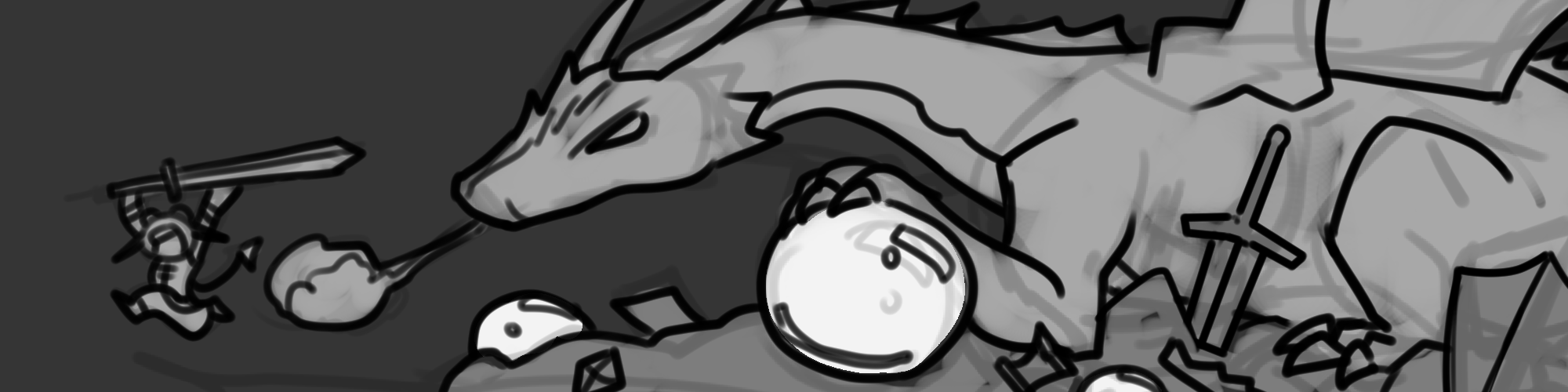
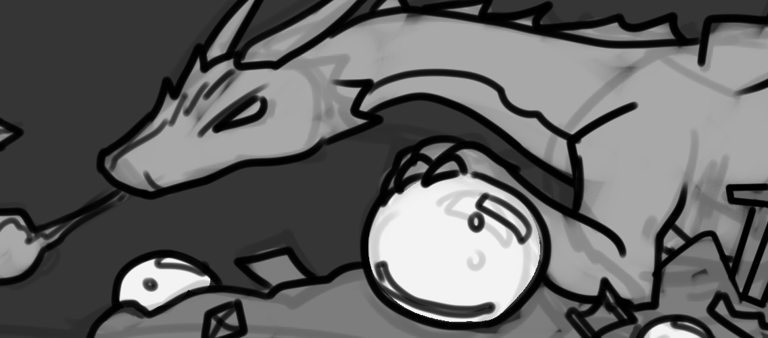
High levels of wealth attract dragons. Dragons will turn stolen tinder from vaults into pearls, that can be returned to a player's vault, automatically creating a quest. Pearls, like bounties, guide the founder to its rightful home if it still stands. However, unlike regular tinder that fades over time, the worth of these don't fade. However, value doesn't grow with age, like normal raw resources and special crafts. The quest is active as long as there is worth left in the pearl, left, however, criminals and cultists may find a way to utilize these pearls if not found in time.
NPC and AFK Store Settings
Players can auto allow NPC and AFK player settings to allow or disallow local currency, or to auto convert it to tinder at the time of the exchange. Some players may or may not like the changing values of a local currency, so they can fall back to default values.
Taxes Controller
Outposts can set up a taxes controller. Buildings linked to it will cause services to pay a tinder amount to the tax. In public outposts, players can destroy these in protest. In cases where items are traded and not converted into tinder, the NPC or player that owns the building, will owe tinder on it. Taxes on controllers are always determined by base tinder value worth, not local value. Taxes are paid straight to a claimed outpost's tinder storage, or a public outpost's tinder storage, which contributes to the outpost's growth and culture skills.
You don't seem to be using these... Want to trade or set up a shop? Let me show you how.
Created by Jimmy Slaughter